The Cancelled Saturday: Money, Life Energy, and Enough
Follow a child's cancelled Saturday back through the coaching class, the exam fear, and the salary number nobody examined. Your Money or Your Life, for parents.
May 2026 · 5 min read
Follow the chain backward from a nine-year-old's cancelled Saturday.
The Saturday went to a coaching class. The class exists because of a fear about entrance exams. The entrance exams matter because of a belief about which jobs are safe. The jobs matter because of a number — the imagined cost of a good life. And that number, in most families, has never once been examined out loud.
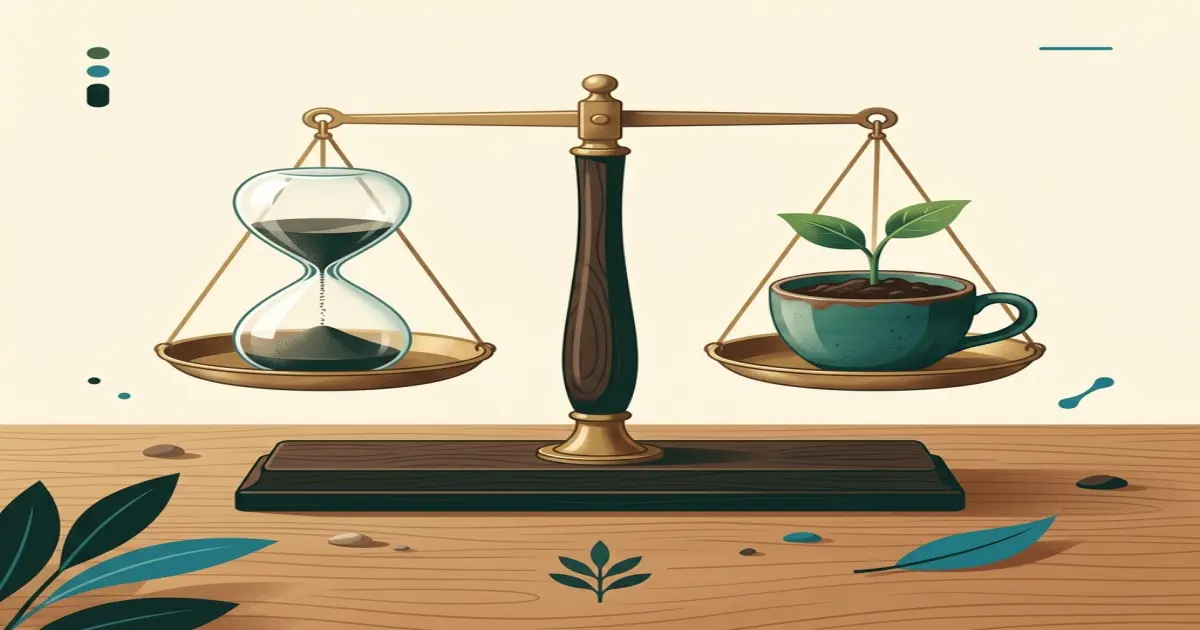
The book Your Money or Your Life built its whole argument on one reframe: money is life energy. Every purchase costs the hours of life it took to earn. Parents live a second version of the same equation, mostly without noticing: every fear about money can be converted into hours of a child's life. The coaching class, the test series, the fourth activity — each one is childhood being spent on a future nobody has actually priced.
The chain runs on autopilot
No parent sits down and decides their child's day should be organized around fear. The chain assembles itself.
A good life seems to need high spending. High spending seems to need a high-status job, the job needs a narrow college route, and the route needs years of exam pressure starting as early as possible. Each link looks like prudence. Nobody audits the whole chain — and the child pays for it in Saturdays.
To be clear: some families will examine that chain and keep it. Some children genuinely want the competitive route, and formal exams will matter for plenty of futures. Fine. The problem was never ambition. It's a chain running unexamined, with a childhood as fuel.
"Enough" is a parenting decision
The book's central exercise — define how much is enough — sounds like personal finance. Do it as parents and it turns out to be an education decision.
A family that knows its enough can suddenly answer questions that panic never could. Does he actually need the third activity? Is this class buying learning, or buying relief from our anxiety? Enough might mean a smaller home, fewer paid programs, less resume-building, a calmer definition of success. What it buys back is the scarcest resource in the house: unscheduled hours in which a child can learn actively instead of being processed.
And no — simple living isn't loose parenting. The child still needs practice, reading, responsibility, useful work, rest, and something to show for the week. The difference is the engine. Panic drives one version; values drive the other. Children can tell which one they're living in.
Audit one thing this week
Skip the grand redesign. Pick a single class, activity, or study block and put it through three honest questions.
Is it teaching something that matters, or is it mostly fear with a fee? Is the child getting healthier or more anxious inside it? If it stopped, what would truly be lost — and what might be protected instead?
Keep it, shrink it, or drop it. Any of the three can be right. The win is that, maybe for the first time, the hours were weighed before being spent.
Spend the recovered hours well
When a fear-driven block goes, don't backfill it with instruction. Fill it with the life the money talk is supposedly about.
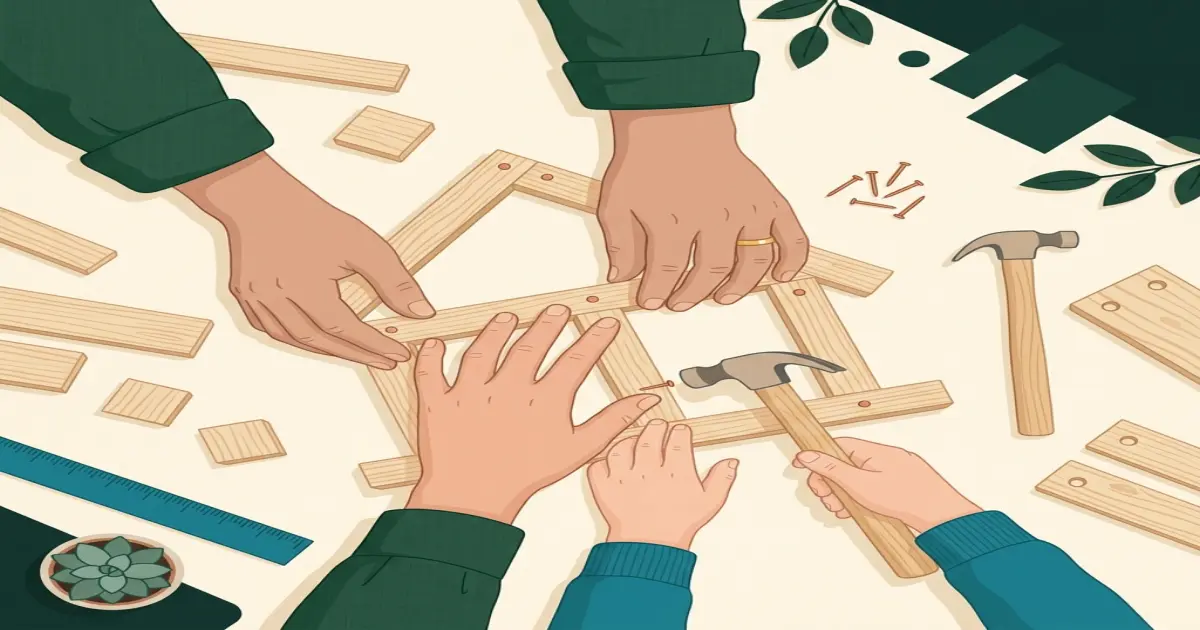
Cook together, build, repair, walk, read. And talk about money honestly — it's a subject children are almost never taught by anyone who isn't selling something:
“Every family has to decide what is enough. If we spend less on things we don't need, we get more time for things that matter.”
Then hand over one real decision. Compare prices for a meal. Repair instead of replace. Save toward a tool. Track the electricity bill for a month. There's more math, planning, and values education in one household budget than in a term of worksheets.
The question before every yes
Before the next class, the next test series, the next cancelled Saturday, one question:
“What are we trying to protect?”
If the honest answer is health, trust, skill, curiosity, and room to breathe — build the week that protects those. Children don't need childhoods financed by the fear of falling behind. They need learning that matters, work that's real, and adults brave enough to say what enough is.
Written by the Champ23 Team
Champ23 helps parents teaching at home give children challenges worth doing, with enough structure to see the learning and keep going.