Life Is Easy: A Thai Farmer's Question for Anxious Parents
Jon Jandai asked why we make life so hard. For parents, the question becomes: are we making childhood harder than it needs to be?
May 2026 · 5 min read
A Thai farmer named Jon Jandai gave a talk with an almost offensive title: "Life is easy. Why do we make it so hard?"
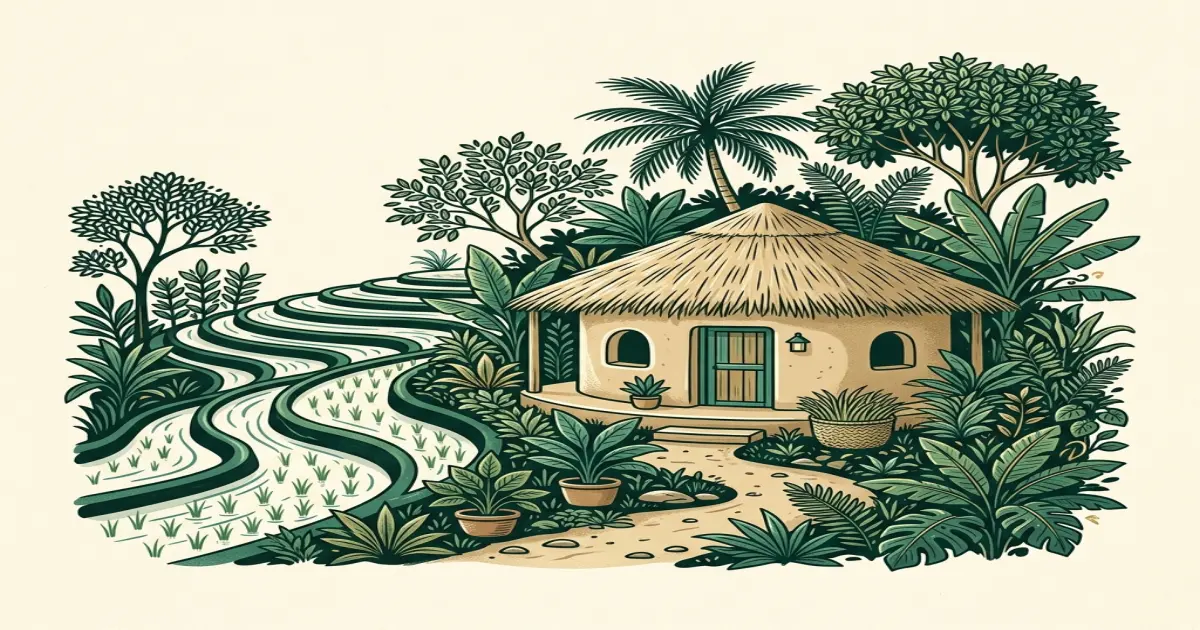
His story, roughly: he left his village for Bangkok to chase the standard version of success, worked exhausting hours, stayed poor, and felt his life shrinking. Then he went home, grew rice a few months a year, built his own house from earth, and found he had something the city never gave him — time, and enough.
You don't have to want a mud house to feel the question underneath. And for parents, the question has a sharper edge: if adults can make life harder than it needs to be, we can certainly do it to a childhood.
How a childhood gets crowded
It never happens in one decision. It happens through care.
You worry, so you add a class. You hear about another child's progress, so you add practice papers. A relative mentions Olympiads. Each addition is defensible; nobody plans the sum. One day the week is wall-to-wall, and the child has no room left to read for pleasure, build something pointless, stare out a window, or ask the kind of question that doesn't help with any syllabus.
Underneath sits a belief most families never say out loud: if learning feels heavy, crowded, and stressful, it must be serious. Sometimes that's true. Often the pressure is just pressure — the sign of a family running on someone else's definition of success without checking whether it fits their child.
Simple is not careless
Here's where the farmer gets misread. Jandai's life isn't lazy — growing your food and building your house is skilled, structured work. The simplicity is in what he stopped carrying, not in effort.
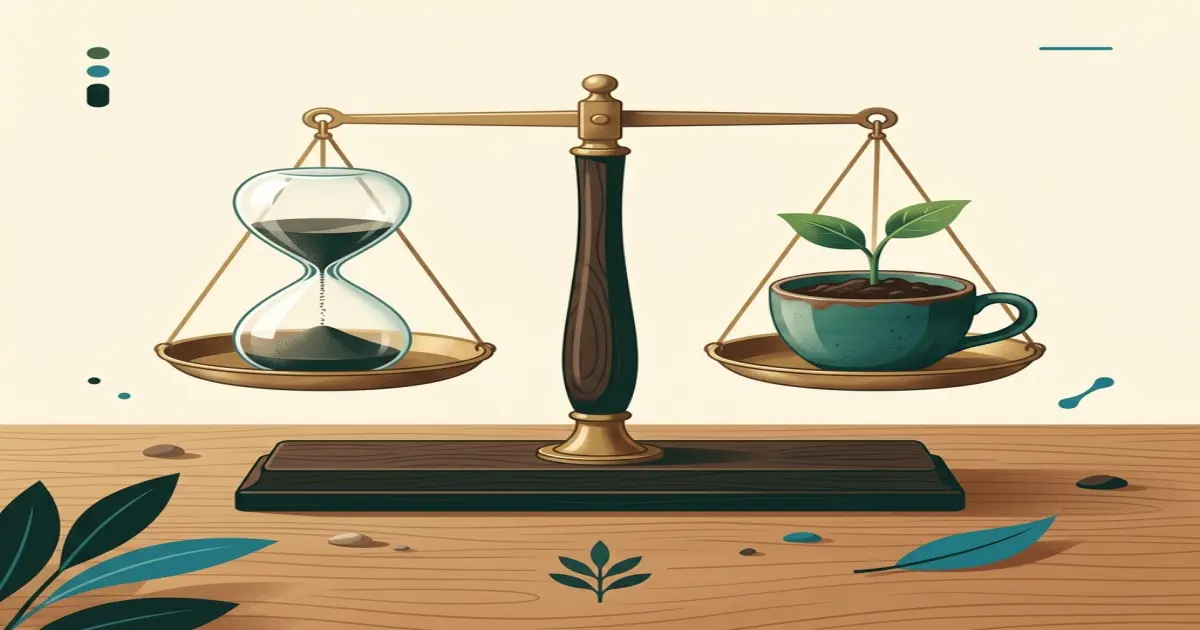
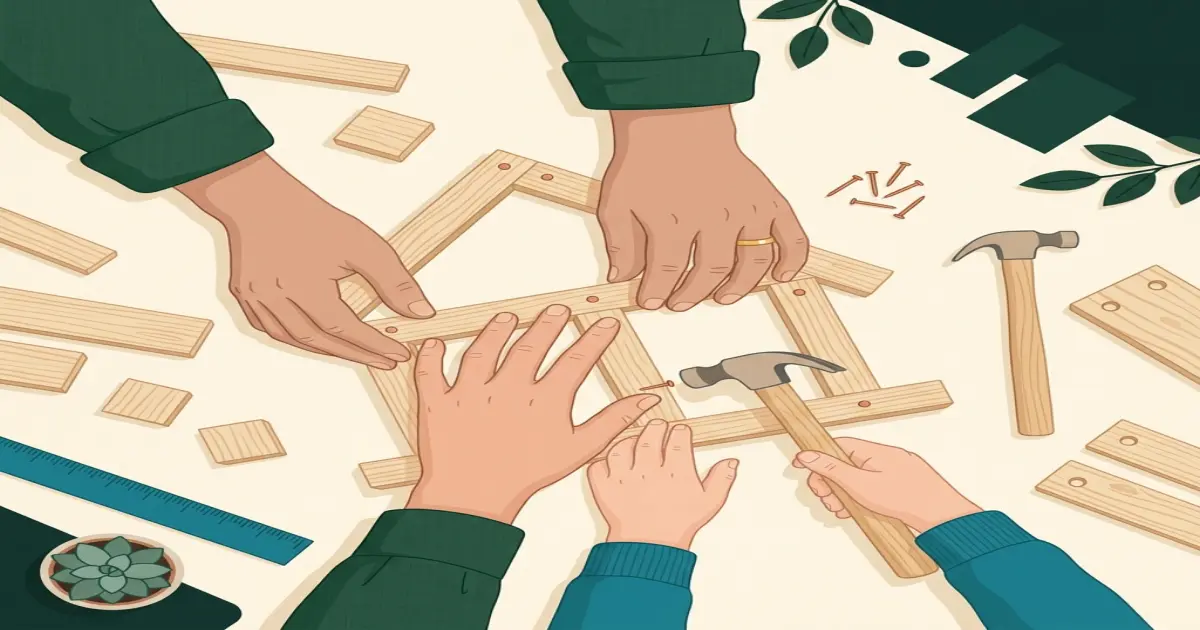
The same distinction rescues a simpler learning life from becoming drift. A child still needs practice, reading, useful work, rest, your attention, and something to show for the week. Simple doesn't mean the child floats; it means the structure is light enough that the child stays alive inside it. A calmer home can hold serious learning — building, calculating, writing, cooking, repairing, explaining — without every hour becoming a race.
Subtract one thing
Don't redesign your family in a weekend; that's just pressure wearing a new outfit.
Instead, find one thing in the week that exists mostly because of fear, and remove it. The worksheet stack nobody can defend. The class your child dreads. The late-night study block that's really an anxiety ritual. You'll know it when you look — it's the thing that would embarrass you slightly to justify out loud.
Then guard the hole you just made. Give it to a project, a book, a walk, a repair, a recipe, a sport. At the end of the week, keep one small trace of what happened there:
“This week Mira measured the balcony for a plant shelf. She made two wrong estimates, then used the tape properly and changed the drawing.”
One note like that shows more real learning than the worksheet stack ever did.
Swap the question
"Are we doing enough?" is unanswerable. Fear has no bottom; it can always name one more thing, and parents who ask it nightly never get to yes.
Try this one instead: did the week give my child practice, language, active work, rest, and one thing worth remembering? That question has an actual answer. Most weeks it can even be yes.
What the farmer is really offering
Not a lifestyle. Permission.
Permission to notice that a childhood with no room to think, make, move, or rest is a badly designed childhood, no matter how ambitious it looks. Learning that matters can be active, steady, and simple enough for a family to actually carry — and the family is allowed to build it that way on purpose.
Written by the Champ23 Team
Champ23 helps parents teaching at home give children challenges worth doing, with enough structure to see the learning and keep going.